Paid campaigns generate clicks but not enough enquiries.
People visit but do not convert
The click happened. The page lost them.
When acquisition is already working, conversion optimisation usually comes from making the promise clearer, the proof stronger and the next action easier.
Recognise any of these?
Landing pages read like compressed corporate websites.
Forms ask for more commitment than the visitor has been given reason to make.
How we’d approach it
Solve this problem. Not every problem.
01
Match the intent
The headline and first screen should immediately answer the thing the visitor clicked for.
02
Reduce the argument
Use the smallest amount of information required to establish relevance, confidence and proof.
03
Make the action proportionate
A high-friction form or vague CTA can undo everything above it.
Relevant work & case studies
Similar challenge. Different client.

More around this challenge
More proof, without sending you back to the start.
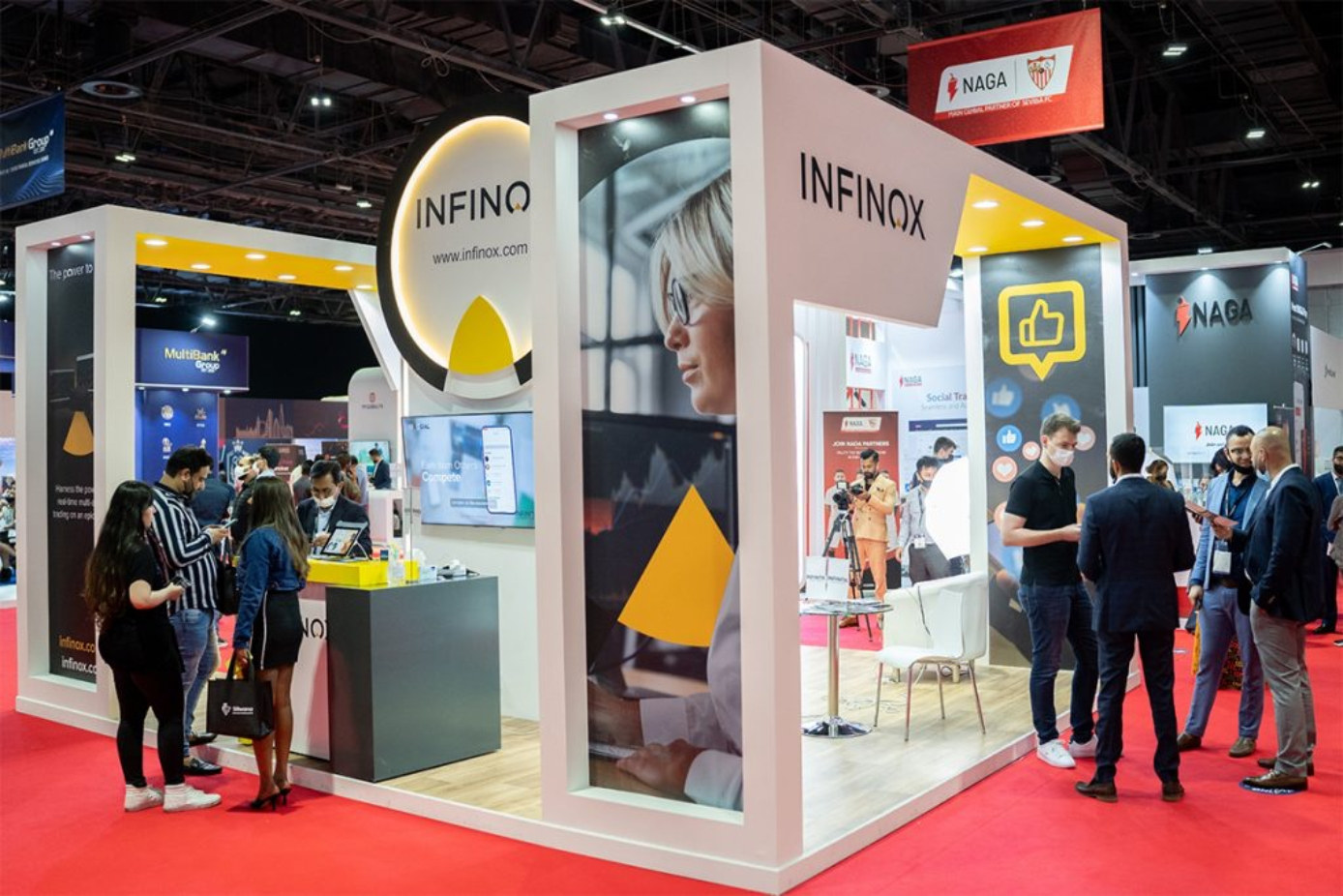
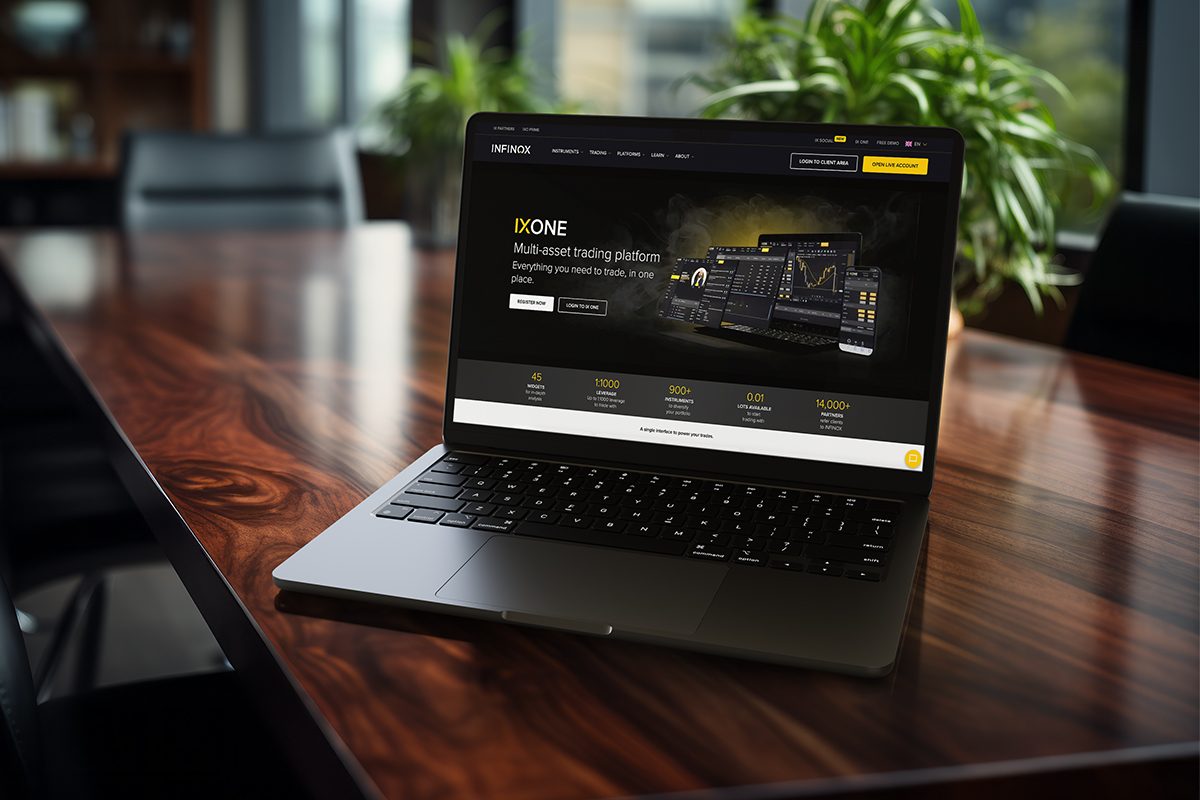
These are additional Work and Case Studies selected around people visit but do not convert.
Questions we get asked
Straight answers before the first call.
If the useful answer is “it depends”, we’ll explain what it depends on.
Why do campaign clicks not turn into enquiries?
Often the landing page stops continuing the conversation that brought the person there and reads like a compressed corporate website instead of an answer to the click.
What should a landing page do differently?
Match the intent of the click, reduce the argument and make the next action proportionate: one clear proposition, and a form that asks no more than the visitor has reason to give.
Is the problem the page or the campaign?
It can be either. We look at the journey from click to enquiry, comparing what the campaign promises with what the page delivers, before deciding what to change.